Hidden Beneath Our Feet: If Authorities Found This Drug Tunnel, How Many More Are Still There?
An ordinary San Diego storefront concealed a 2,000-foot tunnel to Tijuana with rails, power and ventilation — and $45 million in cocaine. The question authorities cannot answer is how many more are still open.
By David Remington · August 6, 2026 · 9 min read
World · The Remington Post
Share this story
Link copied!
Hidden in Plain Sight
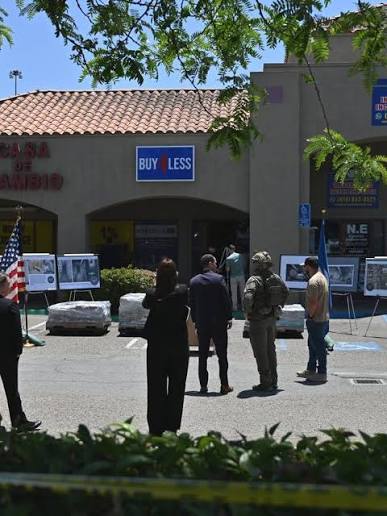
At first glance, it looked like an ordinary storefront in San Diego. There was nothing about the building that would immediately cause someone driving past to stop and stare. It appeared to be just another small business sitting quietly in a commercial area, hidden in plain sight.
But beneath the floor was something far more disturbing.
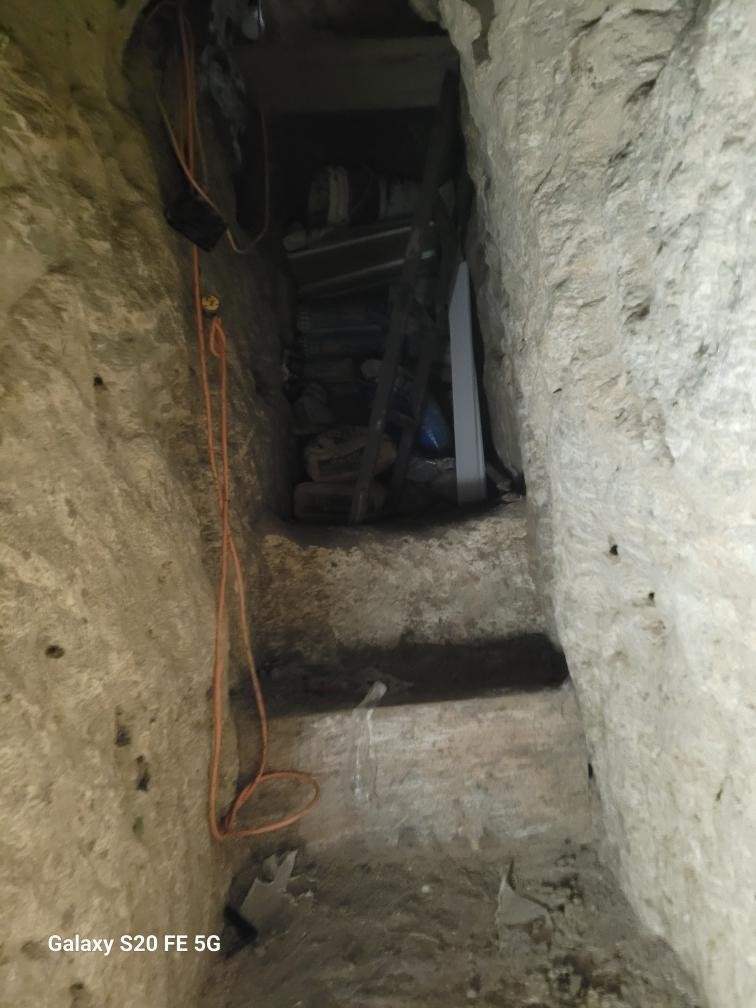
Investigators discovered a highly sophisticated underground tunnel stretching from Tijuana, Mexico, into Southern California. The passage was reportedly nearly 2,000 feet long and equipped with reinforced walls, electricity, ventilation, and a rail system designed to move heavy cargo.
Authorities connected the operation to the seizure of more than 2,200 pounds of cocaine, estimated to be worth approximately $45 million.
If this tunnel was found, how many more are still operating beneath the border?
Inside the passage: reinforced walls, power lines and a ladder leading down to the cargo route.
The U.S. entrance to the tunnel was concealed beneath the floor of what appeared to be a normal storefront. People may have driven past it every day. Customers may have entered nearby businesses without ever realizing that a major smuggling route was operating beneath their feet.
This was not simply a crude hole carved through the ground. It was a carefully engineered underground transportation system. Someone had to plan it. Someone had to finance it. Someone had to organize the workers, equipment, excavation, electrical systems, ventilation, reinforcement, and the removal of an enormous amount of dirt without attracting attention.
A project of that size would likely take months, possibly longer, and require the cooperation of numerous people on both sides of the border. That leads to another question: who was really in charge?
Who Are the Bosses Behind These Tunnels?
The public often assumes that a major drug tunnel must be personally directed by a famous cartel leader sitting somewhere in Mexico. That may sometimes be true, but the reality is likely more complicated.
Sophisticated smuggling operations are usually divided among different groups and individuals. One person may arrange financing. Another may oversee construction. Others may control the property, operate the storefront, transport the drugs, monitor law enforcement, or distribute the shipments after they enter the United States.
The people working inside the tunnel may not even know the identity of the individuals at the top. Criminal organizations often separate responsibilities so that if one person is arrested, that individual cannot expose the entire network.
The scale and cost of a tunnel like this strongly suggest the involvement of an organized trafficking network with substantial financial resources. A lone independent smuggler would be unlikely to possess the money, manpower, engineering knowledge, and cross-border connections necessary to complete such a project.
But could an apparently average American businessman be involved behind the scenes? Absolutely. An American citizen could own or lease the building, operate the storefront, arrange transportation, manage money, hire workers, or act as the U.S.-based coordinator while appearing completely legitimate to the outside world.
The person neighbors recognize as an ordinary store owner, contractor, landlord, driver, or businessman could potentially be only one piece of a much larger operation. That does not necessarily mean the American participant is the ultimate leader. He could be a partner, a paid coordinator, a property holder, or a trusted representative working with a larger criminal organization. The real bosses may be several layers removed from the storefront itself.
Cartel Directed or American Operated?
The most likely answer may be both. A major trafficking organization could finance or authorize the operation while relying on Americans to carry out crucial parts of it inside the United States.
The cartel may control the supply and the international movement of the drugs, while U.S.-based participants secure property, create front businesses, receive shipments, move money, and distribute narcotics into American cities.
That structure gives the operation something it desperately needs: the appearance of normality. An ordinary-looking American business may draw far less suspicion than a heavily guarded warehouse connected to known traffickers.
That is what makes the storefront so important. It was not merely where the tunnel ended. It was part of the disguise.
How Many More Tunnels Could Still Exist?
No one knows. Authorities have uncovered numerous cross-border tunnels in the San Diego region over the past several decades. Some were unfinished. Others were abandoned. Several included sophisticated ventilation, electrical systems, elevators, drainage, or rail lines.
But those are only the tunnels that were discovered. There is no reliable method for counting tunnels that remain hidden.
Some may still be under construction. Others may have already been used and sealed. Certain tunnels may sit unused until traffickers believe law-enforcement attention has moved elsewhere. It is also possible that smaller passages are never detected because they are used briefly and then abandoned.
Every major discovery therefore creates two separate stories. The first is the tunnel that authorities found. The second is the unknown number they may have missed.
Are These Tunnels Used Only for Drugs?
Drug trafficking is the most commonly documented purpose, but underground routes could potentially be used for much more. They may be used to transport cash generated by narcotics sales back across the border. Weapons may be moved southbound. High-value fugitives, traffickers, or other individuals could potentially be moved without passing through official checkpoints.
The tunnels could also carry counterfeit goods, stolen property, illegal weapons, or other contraband. Many sophisticated tunnels appear to be designed primarily for cargo rather than large groups of people. Narrow passages, rail systems, loading areas, and concealed exits allow traffickers to move valuable shipments efficiently while limiting exposure above ground.
The possibility of additional uses does not mean every tunnel is involved in every type of criminal activity. But once a hidden route exists, the organization controlling it could potentially use it for any cargo valuable enough to justify the risk.
The Infrastructure of Organized Crime
The most frightening part of this discovery may be the level of organization required to build it. This was infrastructure.
It required planning similar to a major construction project. Workers had to understand soil conditions, structural reinforcement, ventilation, electricity, drainage, excavation, and precise underground direction. The tunnel had to reach the correct destination without collapsing, surfacing in the wrong location, or being detected by surrounding businesses and law enforcement.
The operation also needed secrecy. Workers had to enter and leave unnoticed. Dirt had to be removed or hidden. Equipment had to be delivered. Electricity had to be supplied. The storefront had to remain convincing enough to avoid suspicion. Every one of those steps created another opportunity for someone to notice. Yet the tunnel was still built.
The Storefront Was the Perfect Cover
The image of the storefront is what makes this story so unsettling. It did not look like the entrance to an international criminal operation. That was the point.
The building blended into its surroundings. From the outside, there were no visible signs of a tunnel, rail system, electrical wiring, ventilation equipment, or millions of dollars in illegal cargo moving underground. It was hidden in plain sight. That phrase is often overused, but in this case it may be the most accurate description possible.
The Question Authorities Cannot Answer
Law enforcement can seal the tunnel that was found. Agents can arrest the people they identify. Prosecutors can bring charges against those connected to the property and the seized drugs. But even after the entrance is closed, the largest questions remain.
Who provided the money?
Who selected the storefront?
Who designed the tunnel?
Who coordinated both sides of the border?
Were the people arrested the true organizers, or were they replaceable workers protecting individuals further up the chain?
Was the operation controlled directly by a cartel, by a U.S.-based trafficking cell, or by a partnership between the two?
And most importantly: how many more ordinary-looking buildings are concealing extraordinary criminal operations beneath them?
Beneath the Surface
This discovery is about more than one shipment of cocaine. It is a glimpse into the hidden infrastructure supporting organized crime.
Above ground, the storefront appeared quiet and unremarkable. Below ground, a multimillion-dollar transportation system may have been moving drugs beneath one of the most heavily monitored borders in the world.
Authorities found this tunnel. The unsettling possibility is that others may still be operating—beneath warehouses, homes, parking lots, and storefronts that thousands of people pass every day without ever knowing what lies below.